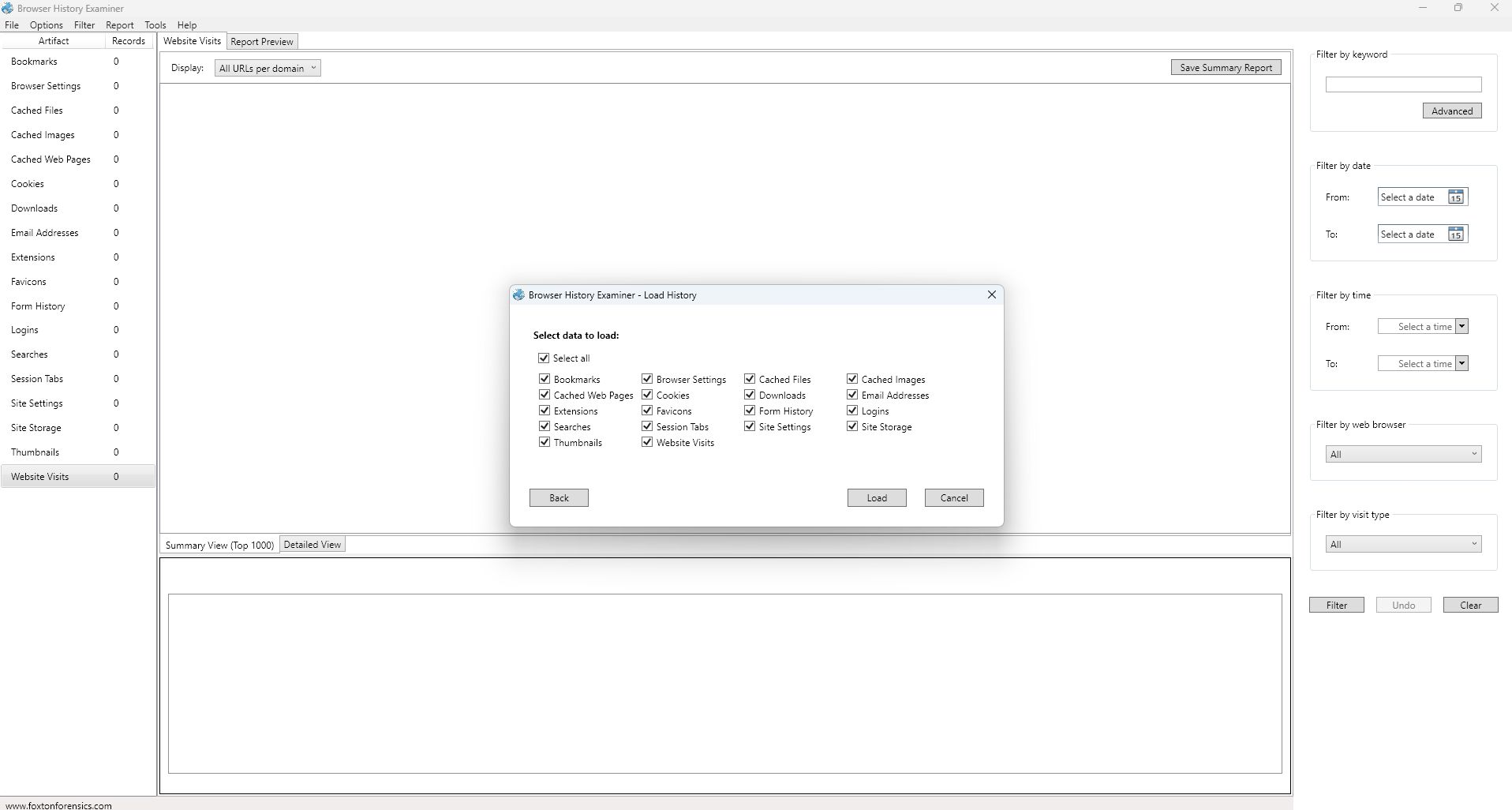
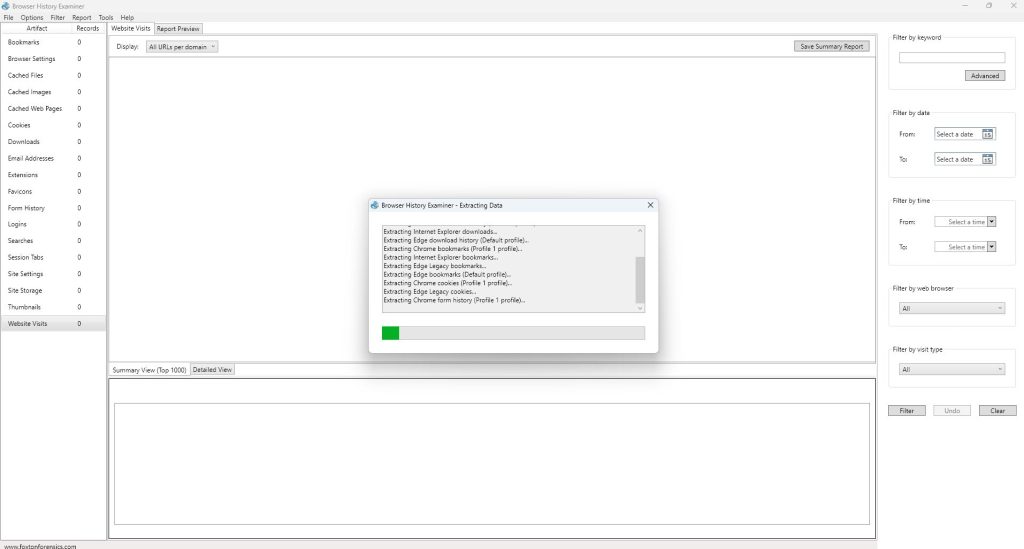
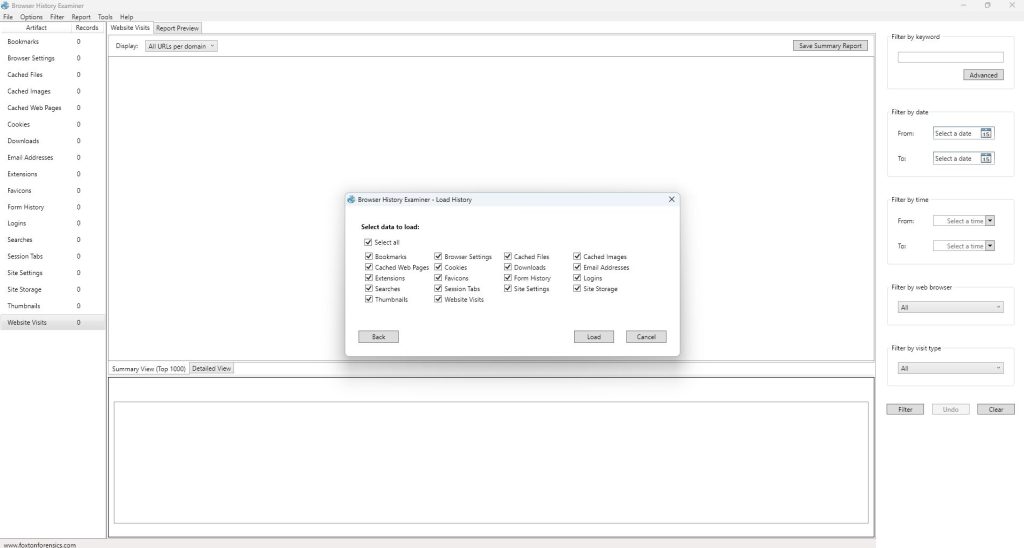
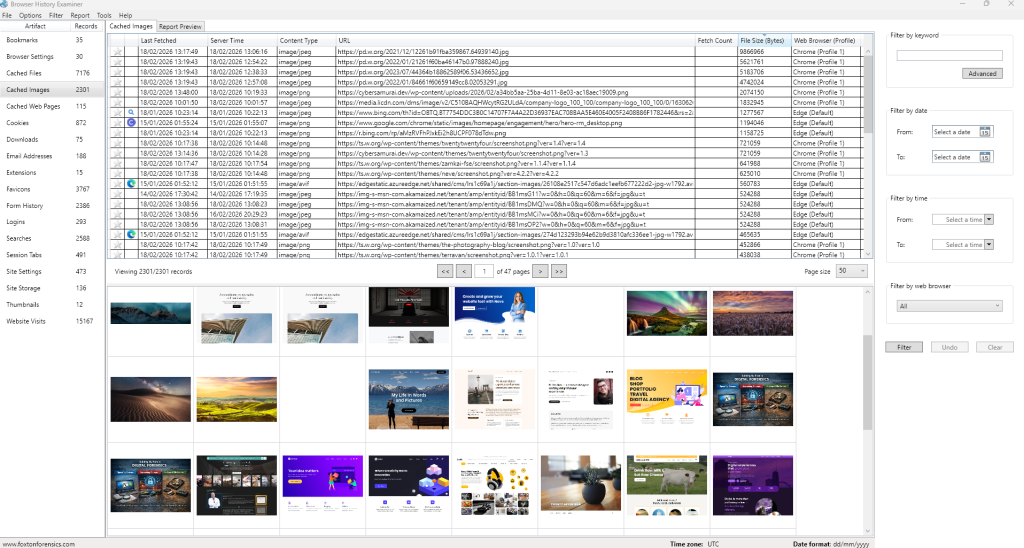
A deeper dive into Browser History Examiner during a browser forensics module with HIVE Consult surfaced an important security insight I hadn’t fully appreciated before.

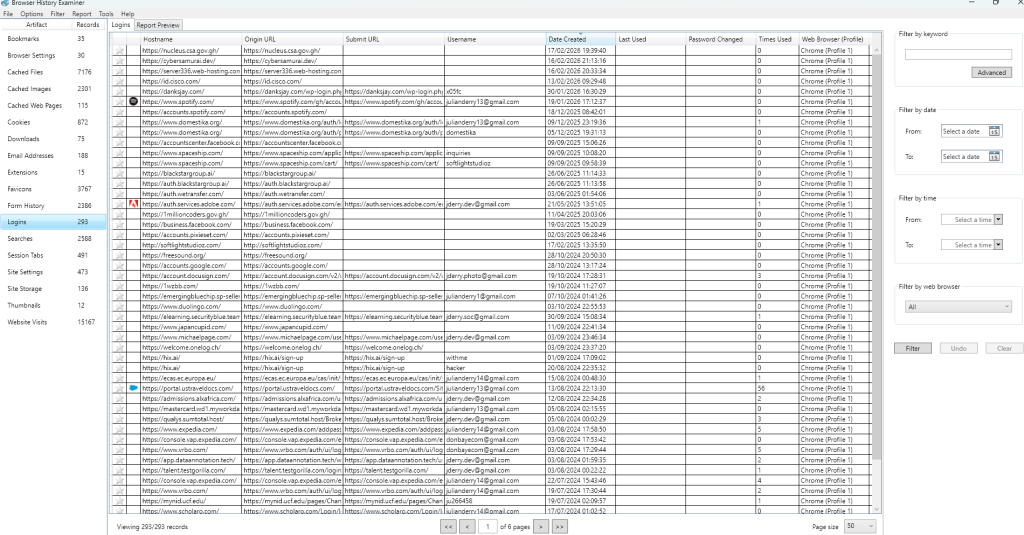
Browser History Examiner can reveal browser artifacts, including visited URLs, timestamps, frequency of access, browser type, and, in some cases, evidence of usernames used through form data, cached content, or autofill artifacts. Where credentials are saved locally, and conditions allow, related credential data may also be identified.

What stood out wasn’t just the artifact extraction itself, but the investigative implications.
High-frequency reuse of the same username or email address across multiple services materially increases exposure risk. Even when passwords are not recovered from the endpoint, these identifiers can be correlated with breach intelligence sources such as DeHashed and Have I Been Pwned to determine prior exposure in leaked credential datasets.

A key takeaway: credentials do not need to be captured locally to be compromised. Large-scale credential dumps already exist, and browser artifacts can help confirm usage patterns, affected services, and potential attack paths.

This reinforces an important principle in security and forensics: username reuse significantly amplifies risk, especially when combined with historical breached data.

These are the kinds of insights that make browser forensics valuable in SOC investigations, incident response, and credential compromise analysis, and I’m continuing to build depth in this area as I progress further into Digital Forensics and Security Operations.
 English